
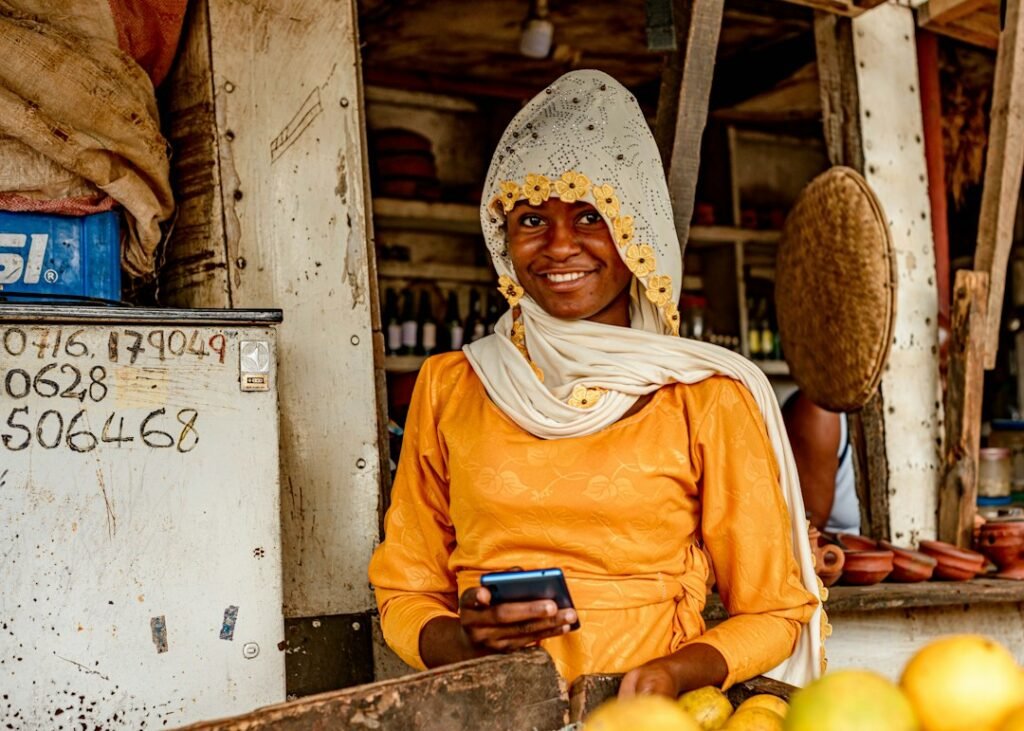
For many women entrepreneurs in Northern Ghana, a smartphone has become an essential business tool. WhatsApp connects them with customers, mobile money enables payments, Facebook helps them market their products, and digital platforms provide opportunities to grow their businesses.
But these opportunities also introduce risks. A compromised WhatsApp account, fraudulent mobile money transaction, hacked business page, or loss of customer records can disrupt business operations and undermine customer trust. For micro and small businesses with limited resources, recovering from such incidents can be particularly difficult. Despite the growing use of digital tools, many small businesses lack access to affordable, practical cybersecurity support. The Cyber Resilience Clinics for Women-Led Enterprises initiative is NEST Hub's response to this challenge.
About the Project
Cyber Resilience Clinics for Women-Led Enterprises is designed to help women-owned and women-led micro and small businesses prevent, respond to, and recover from common digital security threats. The initiative is being developed by NEST Hub in collaboration with partners, with plans to engage specialist cybersecurity expertise to guide technical delivery. The project will focus on the Northern sector of Ghana.
The initiative will combine practical cybersecurity education with individual business support, digital risk assessments, incident response guidance, and follow-up coaching. Rather than treating cybersecurity as a purely technical subject, the project will approach digital safety as an essential part of business resilience.
The challenge we want to address
Women-led micro and small businesses increasingly use digital tools to manage everyday business activities. Yet their growing reliance on digital platforms also exposes them to threats such as:
Many entrepreneurs lack access to trusted technical assistance when these incidents occur. The proposed initiative seeks to make practical digital protection more accessible to women entrepreneurs, particularly those operating in underserved communities.
Primary Beneficiaries
The initiative will prioritise:
Women operating informal and micro businesses, including traders, food processors, artisans, fashion entrepreneurs, and other business owners who use smartphones and digital payment platforms.
Women-led registered small businesses that manage digital customer records, social media pages, online transactions, employees, or digital bookkeeping systems.
Women entrepreneurs facing heightened digital risks, including those who have experienced account compromise, impersonation, attempted fraud, online harassment, or other digital incidents.
What we hope to achieve
Type your paragraph here